Perhaps It Was Not Still
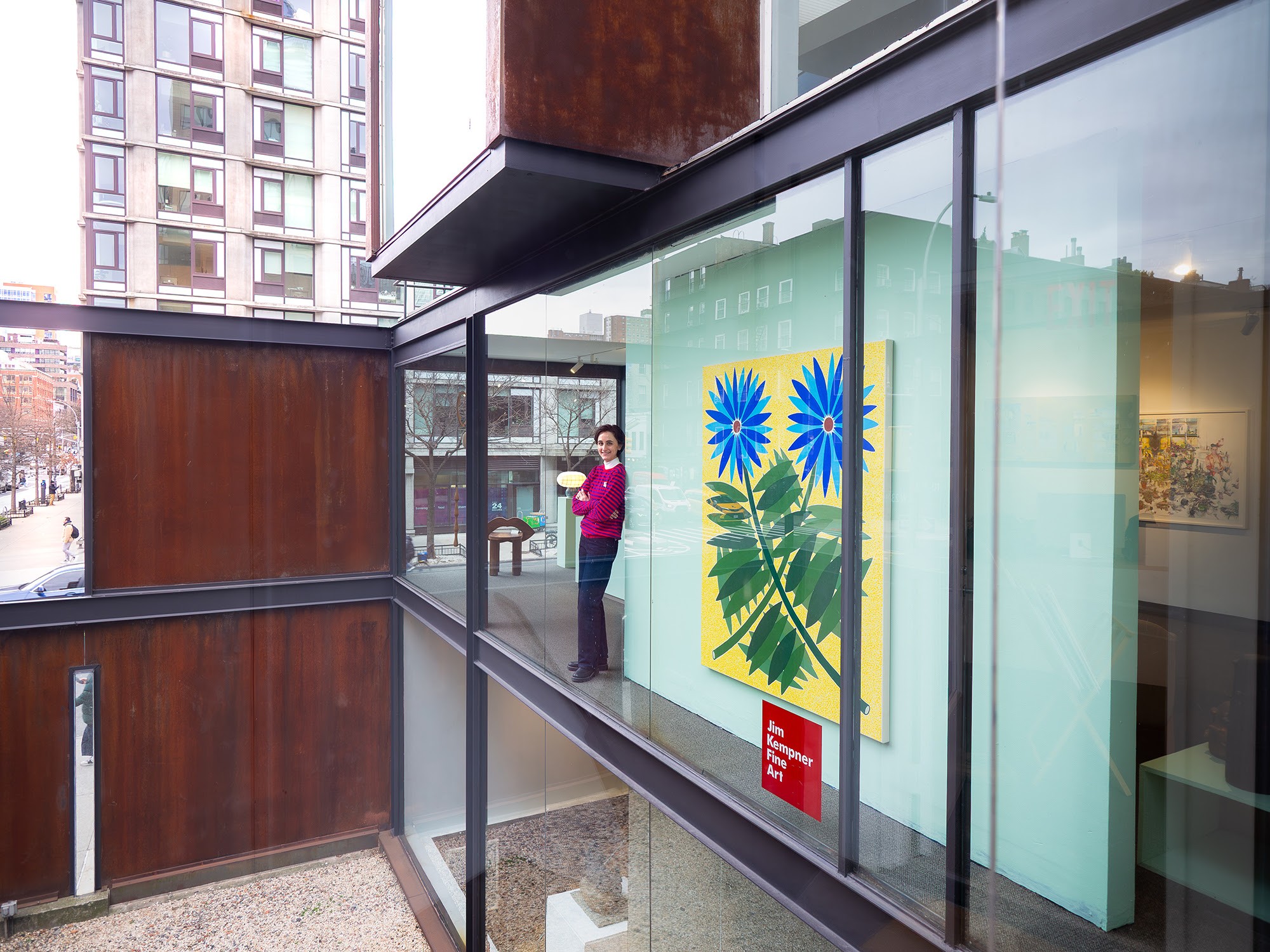
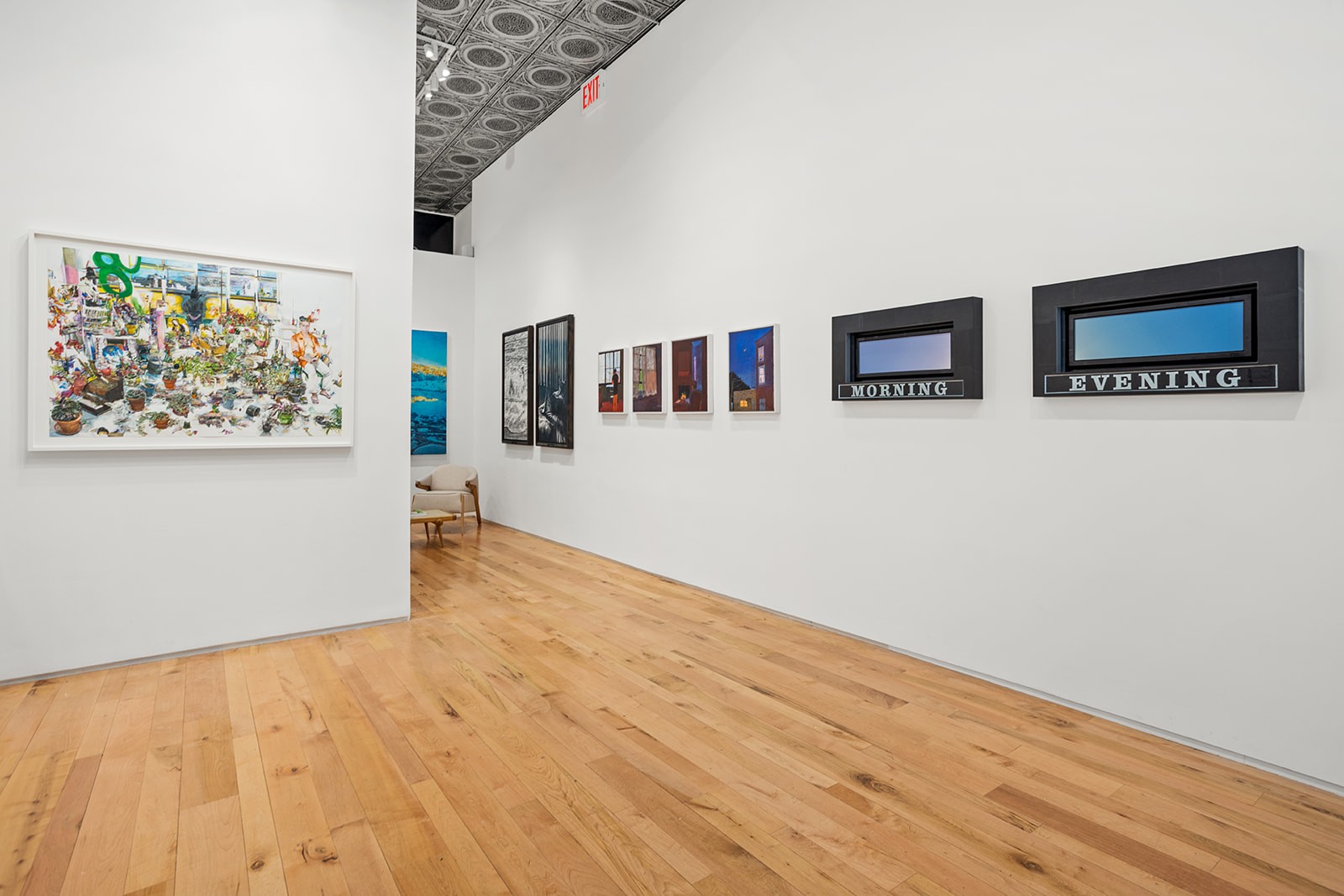
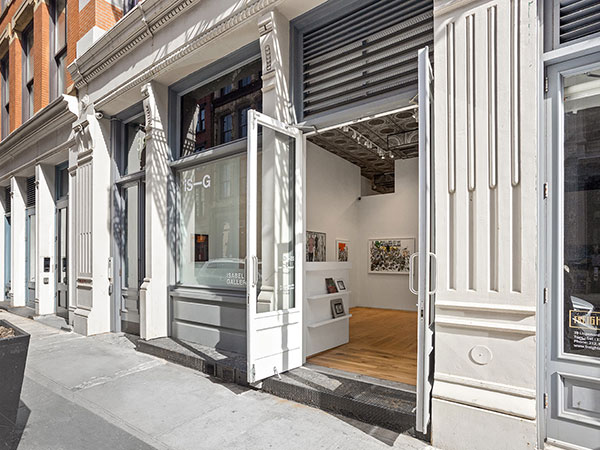
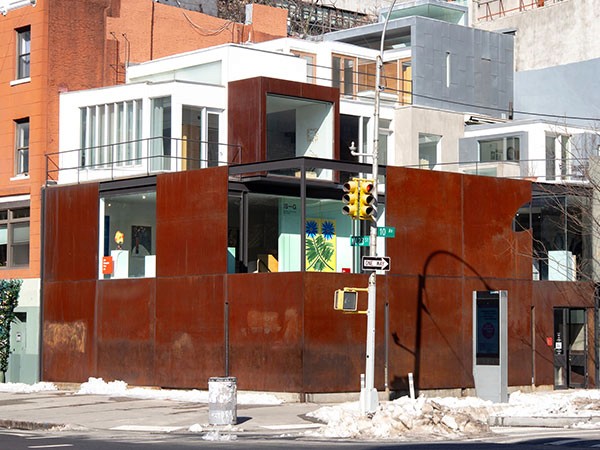
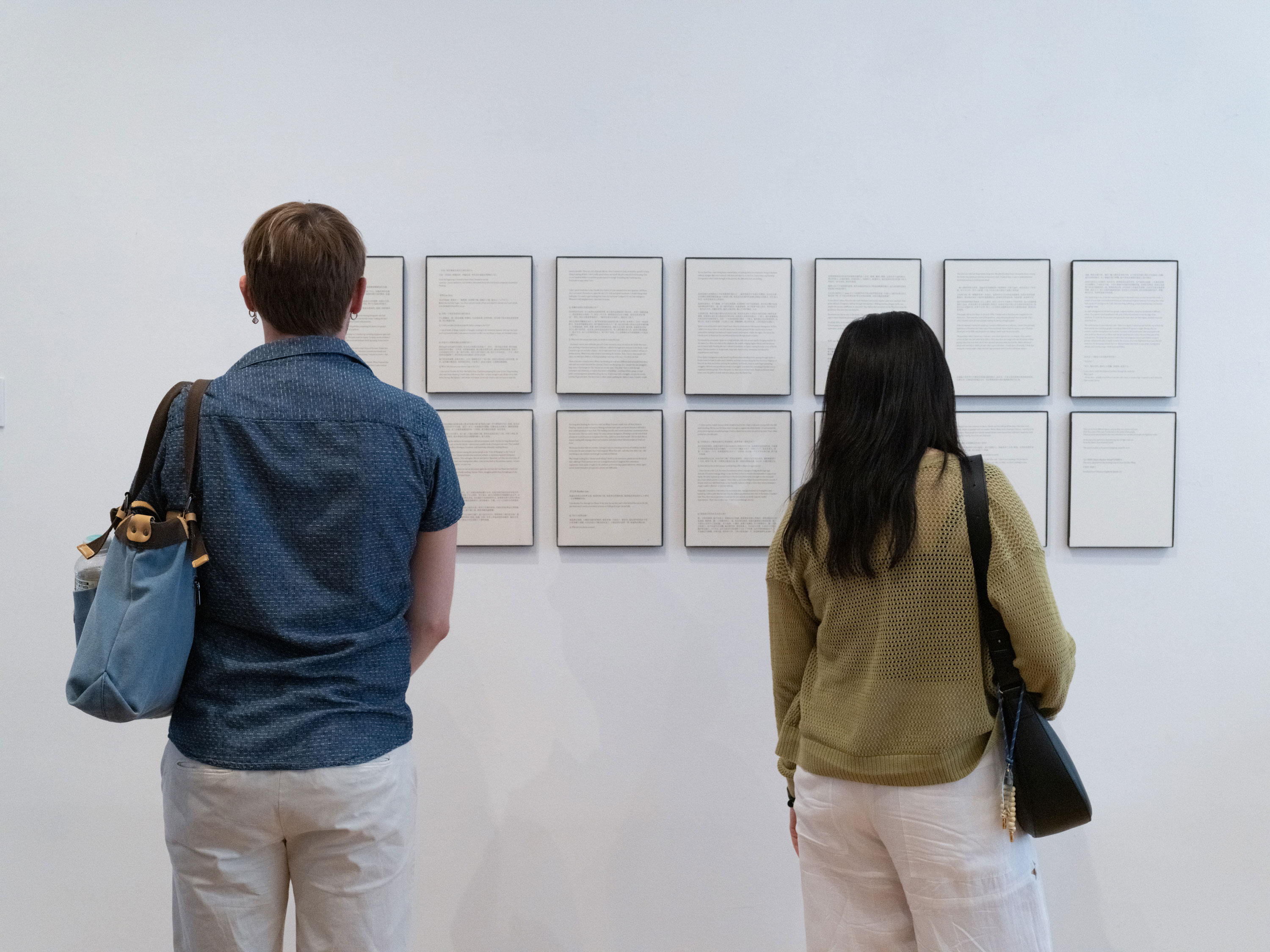
Ryan Muchen Wang’s debut exhibition, Perhaps It Was Not Still, presents a series of films and sculptural installations that disrupt linear narration through temporal and linguistic ruptures. Conceptualized and filmed during the last three years, the works collapse sound, text, and image into a single channel or dispersed fragments. Rather than functioning as complete narratives, the works invite viewers to navigate various modalities of knowing, particularly through the textual, the auditory, and the visual. "Perhaps It Was Not Still" thus foregrounds the ways language, migration, movement, and technology intervene in attention and therefore, memory. The exhibition was on display at Isabel Sullivan Gallery at 39 Lispenard Street in Tribeca, New York from July 22 – August 2, 2026.
Can you tell me about this exhibition in your own words?
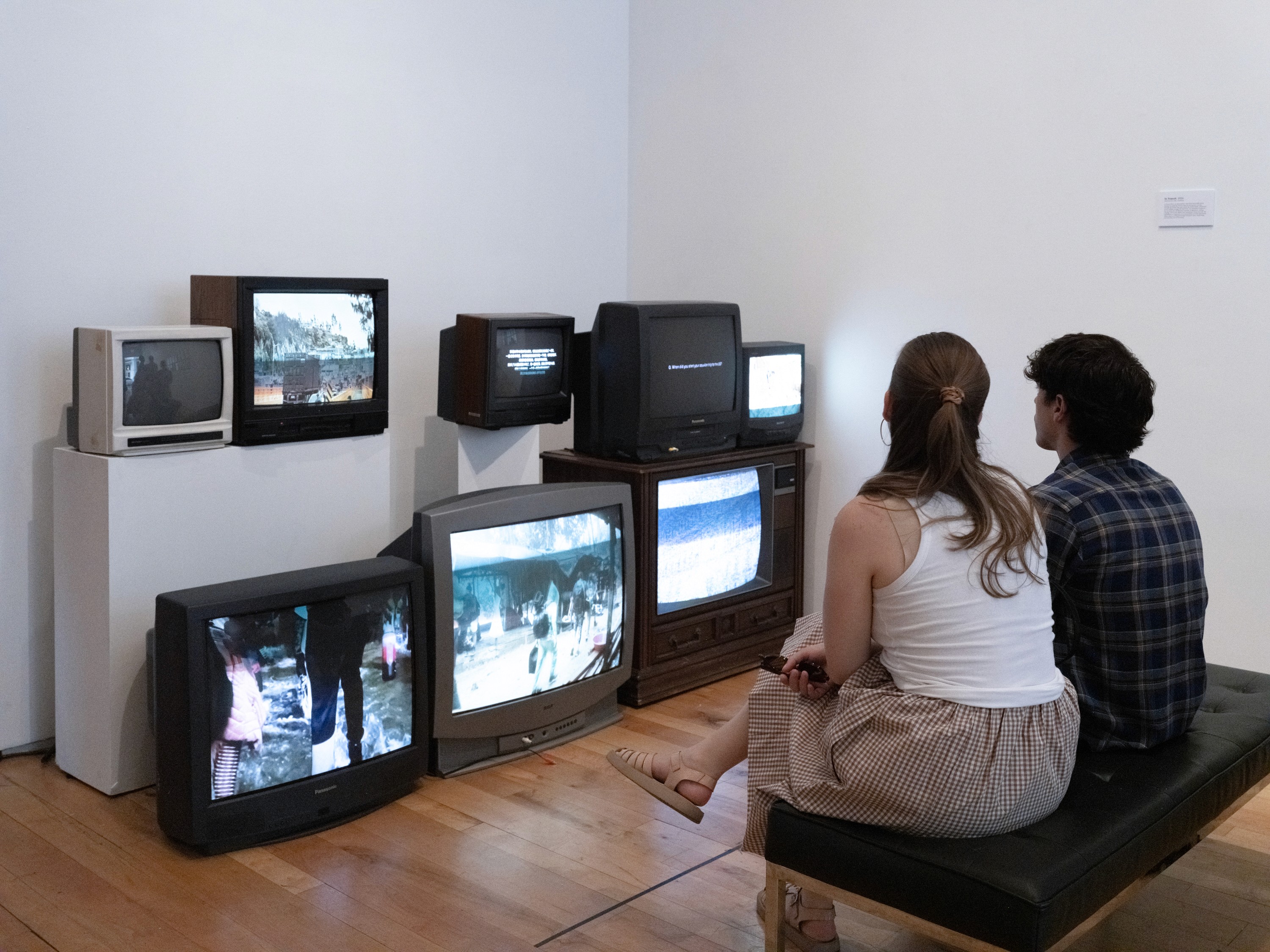
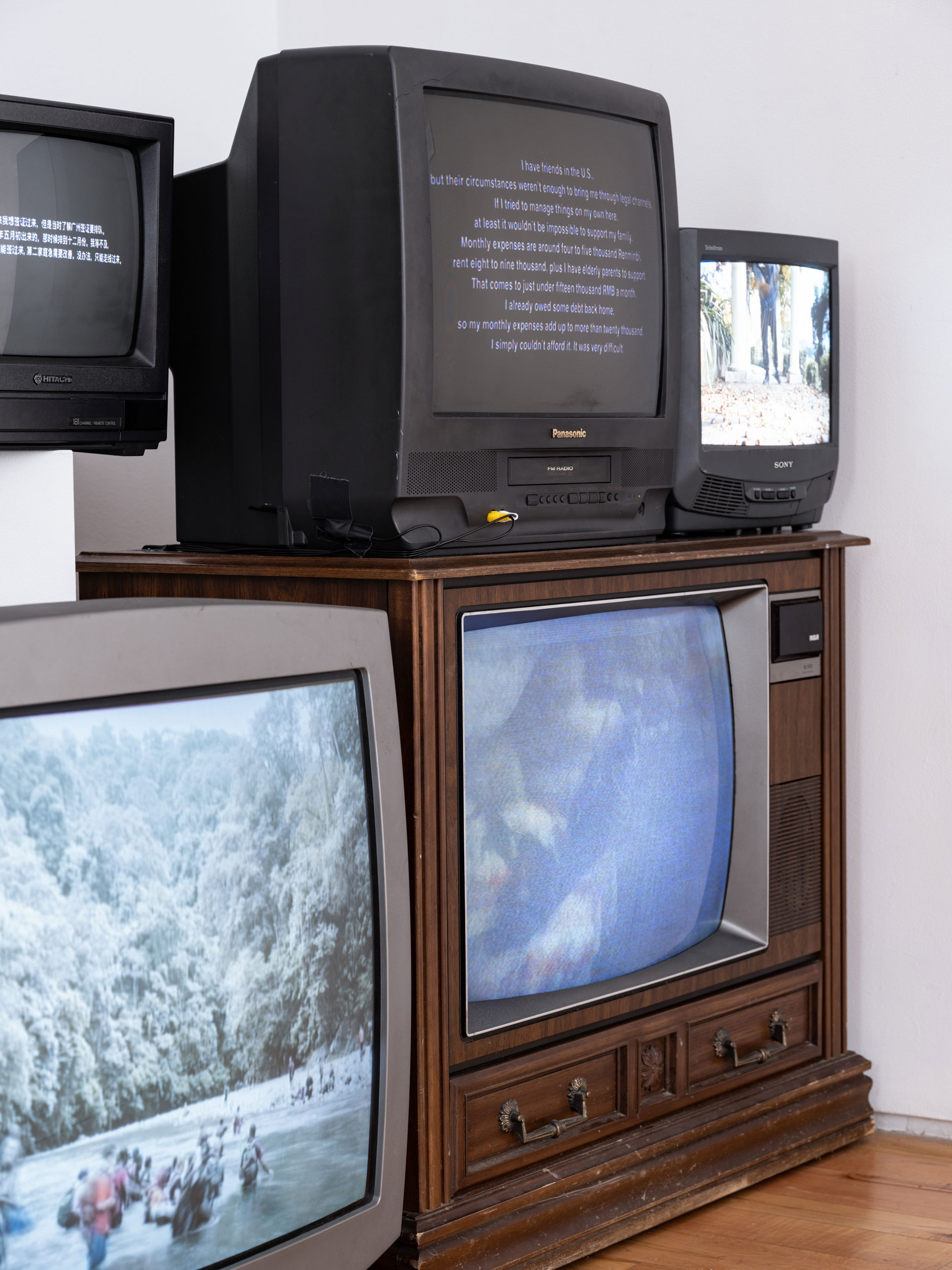
Perhaps It Was Not Still brings together films and installations I have made over the past two years exploring migration, travel, movement, memory, and change. The exhibition is not about telling one complete story. Instead, it creates a space where different experiences, fragments, and ways of remembering can exist together. Through different moving image forms and different ways of looking at images, I am interested in how movement continues to shape us long after a journey has ended or after we experience significant change in our lives. I am also interested in how different image technologies such as mobile phone footage, documentary video, photography, Super 8 film, projections, and sculptural video installations remember those experiences in different ways.
What do you wish for people to learn or walk away with from this project?
I hope people spend time with the individuals and stories in the exhibition. Mobility is often discussed through statistics and headlines. I wanted to focus on individual lives and everyday experiences. Even though some of the works deal with difficult subjects, I never wanted the exhibition to feel overwhelmingly heavy. Life contains hardship, but it also contains moments of humor, friendship, tenderness, and hope. Especially in difficult times, those moments are just as important because they remind us that people continue living, loving, working, and caring for one another despite everything they have been through.

Can you tell me about the stories you are telling throughout this exhibition? Whose stories are they?
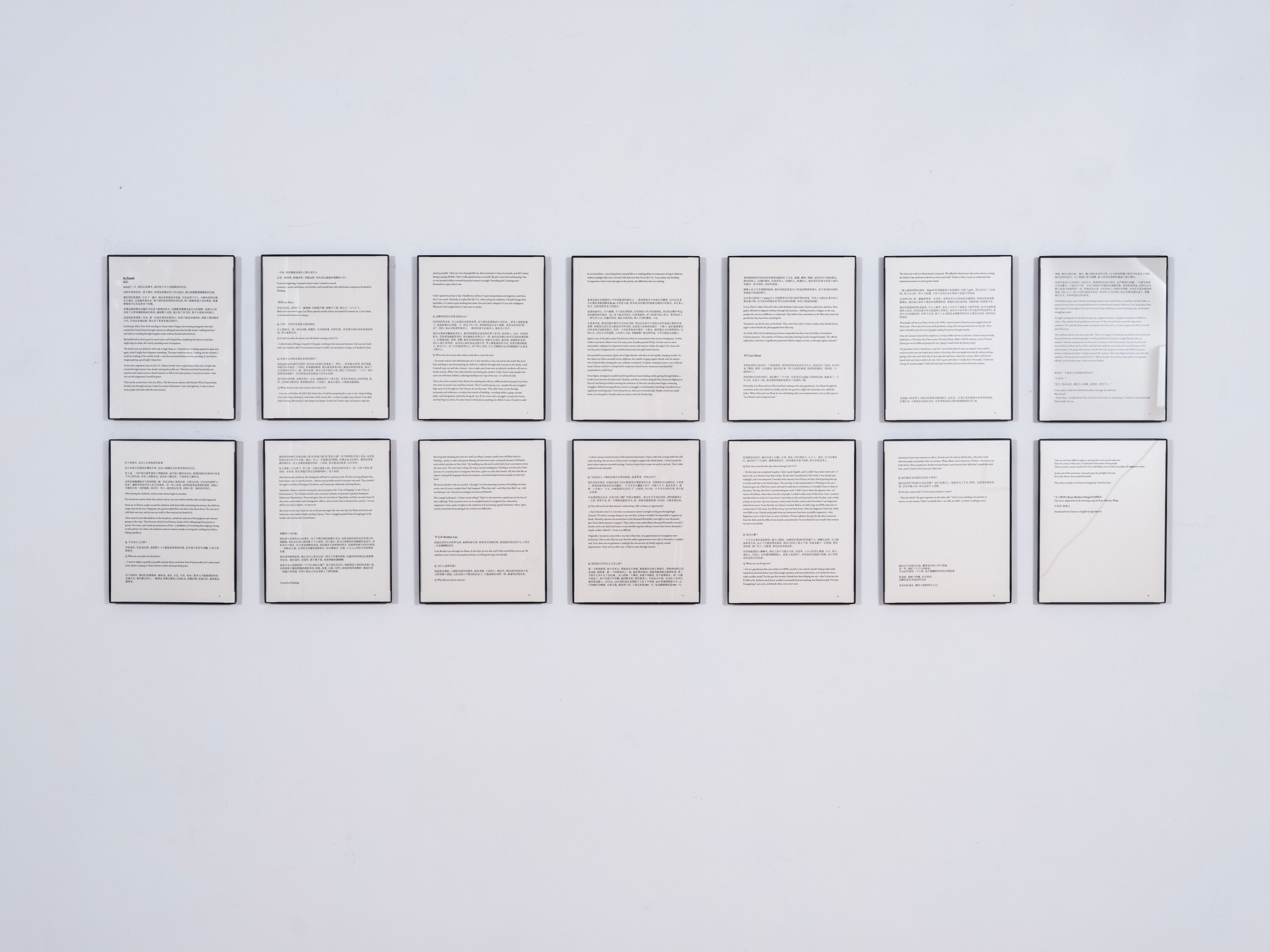
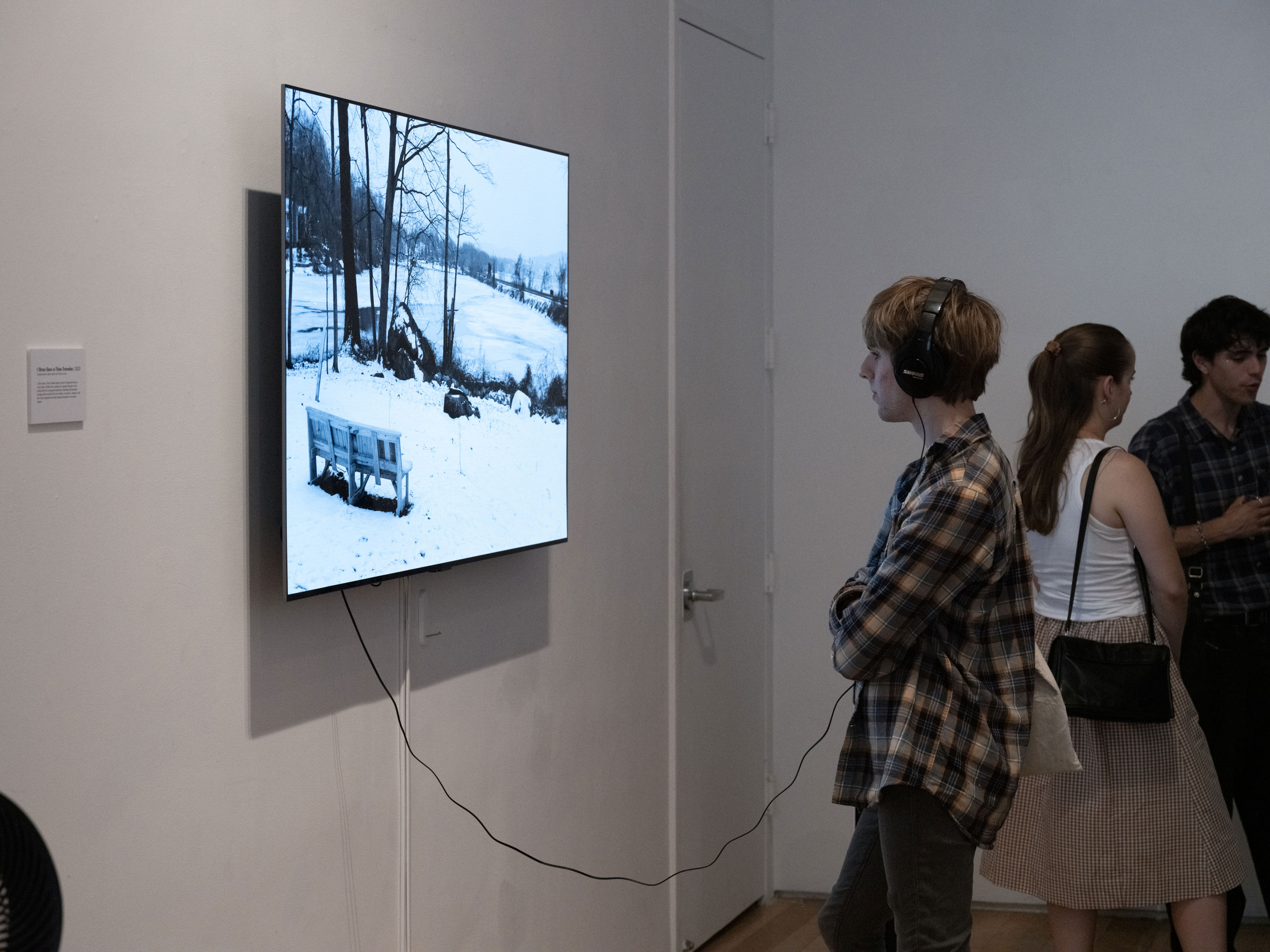
The exhibition brings together stories from other people alongside my own experiences and reflections. This Was Never Still was inspired by my experience of returning to the same place over the past three years. Each time I visited, I experienced it completely differently because my own life had changed. That made me think about how we never really remember a place as it is. We remember it through who we were at that moment. The film grew from that realization and became a conversation about travel, memory, and how different people can experience and remember the same place in completely different ways. I Once Saw a Time Traveler grew from my own writing and short stories. In Transit grew from the long-term relationships I developed over the past two years while documenting the lives of Chinese migrants who crossed the Darién Gap. Although the stories come from different people and different places, they all ask a similar question about how movement and change shape the way we remember ourselves and the world around us.
Why are you drawn to stories of migration?
Having lived in different countries myself, I often think about how our understanding of home changes as we move through different places. I'm interested in the reasons why people move, not only because of political or economic circumstances, but also because of personal desires, beliefs, relationships, curiosity, and hope. While larger social and political conditions often shape these journeys, I'm equally interested in the individual decisions and inner motivations that lead people to leave one place and begin again somewhere else. For me, the exhibition is ultimately about change. Migration is one of the biggest changes a person can experience, but I am interested in a question of how people respond to change, adapt to it, and continue living afterward. Making this project became as much about learning and listening.
How do you think video can tell stories in a different way than other mediums?
I think it connects back to the title of the exhibition, Perhaps It Was Not Still. A photograph captures a single moment, but video allows gestures, pauses, silence, movement, duration, and sound to become part of the story. When we look at moving images, sound naturally becomes part of how we experience and remember them. I am interested in combining different image technologies such as mobile phone footage, digital video, Super 8 film, projection, photography, and installation because each medium remembers differently. Each has its own texture, color, rhythm, and relationship to time. In a way, that is also how I want to remember these stories. It is a way of thinking about how we remember people, places, and moments of change.