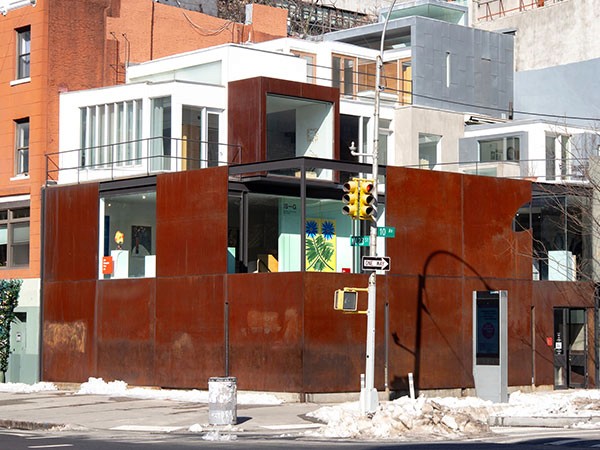
Artsy Exhibition
Richard Hambleton
—
Don Draper, Mad Men
Press Release
“Advertising is based on one thing: happiness.” That’s Don Draper in Mad Men. In the 1960s, happiness looked like a cowboy. The Marlboro Man was quickly molded: tough models posed against desolate backdrops, dressed in leather or denim, a cigarette clamped between their teeth. He rode through every season, herding cattle and galloping across an instantly recognizable American landscape—Marlboro Country.
The advertisements of Marlboro are considered the greatest success in the history of advertising. It was this mythology of America — part hero, part tragedy — that Richard Hambleton seized in the early 1980s.
Eventually, the brand didn’t even need words. Everyone understood what the campaign was promoting. But behind the rugged image was a darker truth — many of the men who played the Marlboro Man later died of smoking-related illness. It was this mythology of America — part hero, part tragedy — that Richard Hambleton seized in the early 1980s. The campaign, considered one of advertising’s greatest successes, dominated popular culture until federal broadcast bans in 1971 curtailed its reach; it finally ended in 1999.
At the same time, New York’s streets were alive with a new creative energy. In the late 1970s and early 80s, a mysterious figure began painting black silhouettes on walls and buildings across the city. His name was Richard Hambleton; an artist Banksy would later credit as an inspiration. Dubbed “the godfather of street art,” Hambleton (b. 1952, Vancouver) emerged as a central force in the downtown scene, rising alongside Jean-Michel Basquiat and Keith Haring. Born in Vancouver, Canada, it was New York, where he lived until his death in 2017, that defined his career.
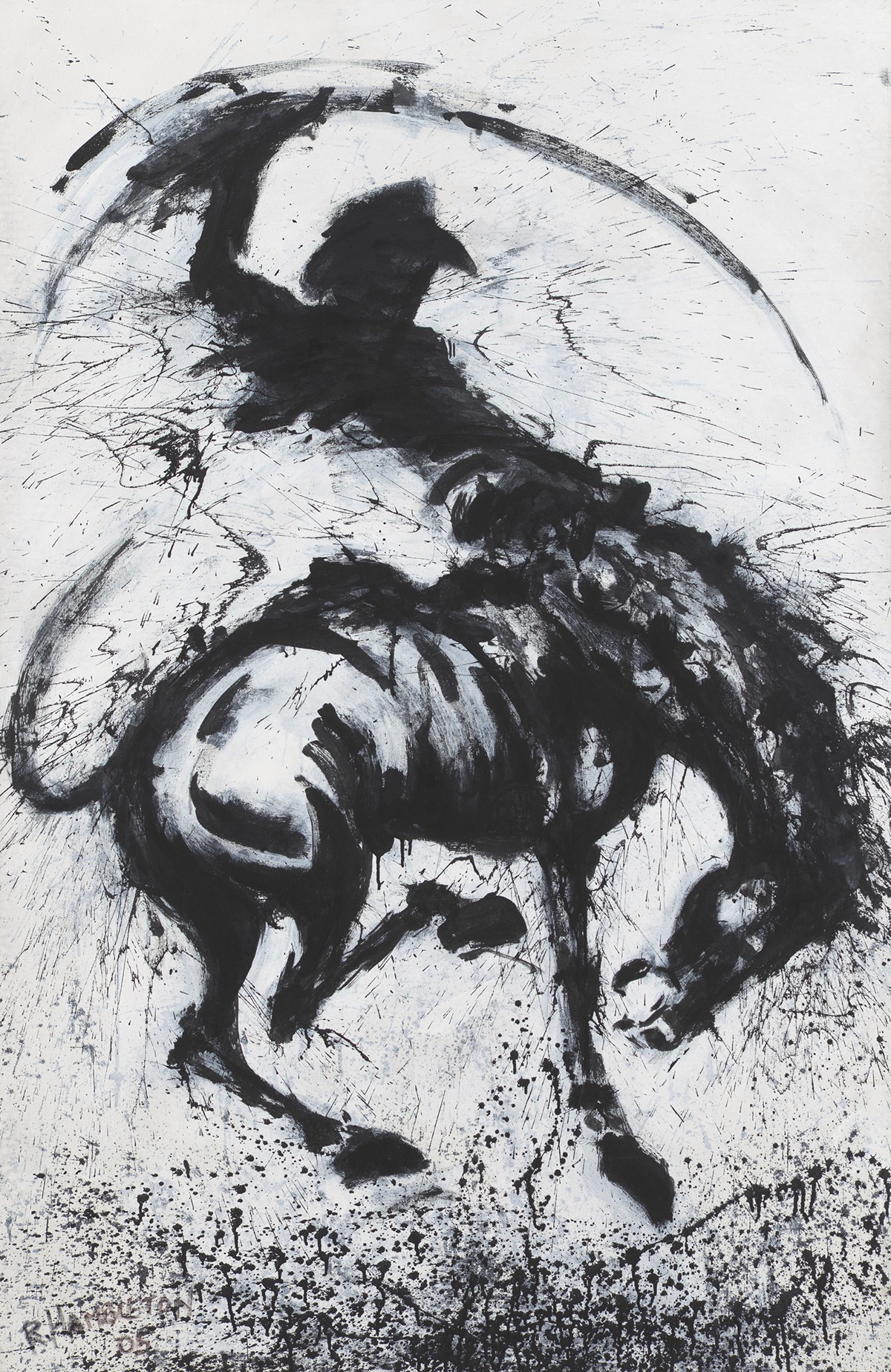
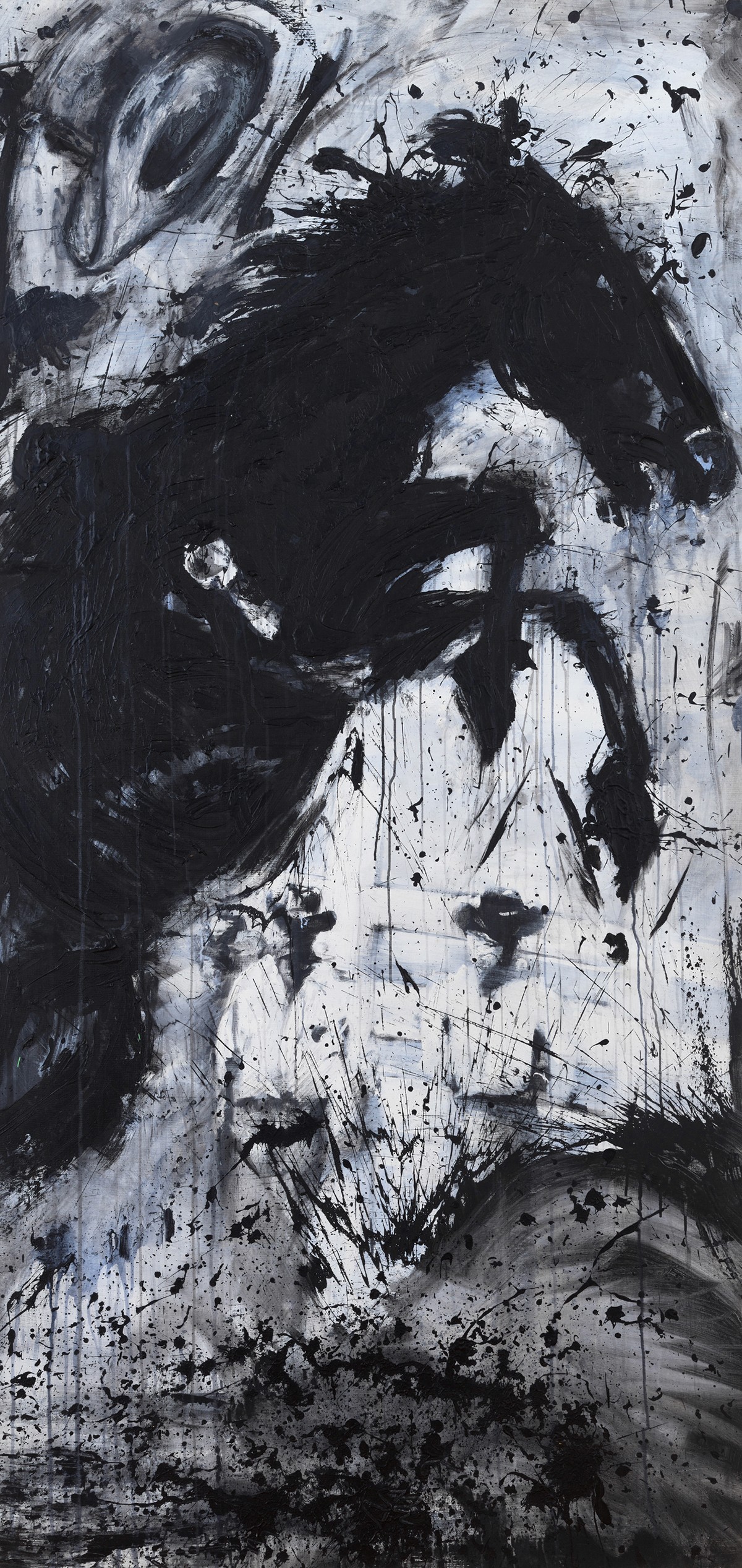
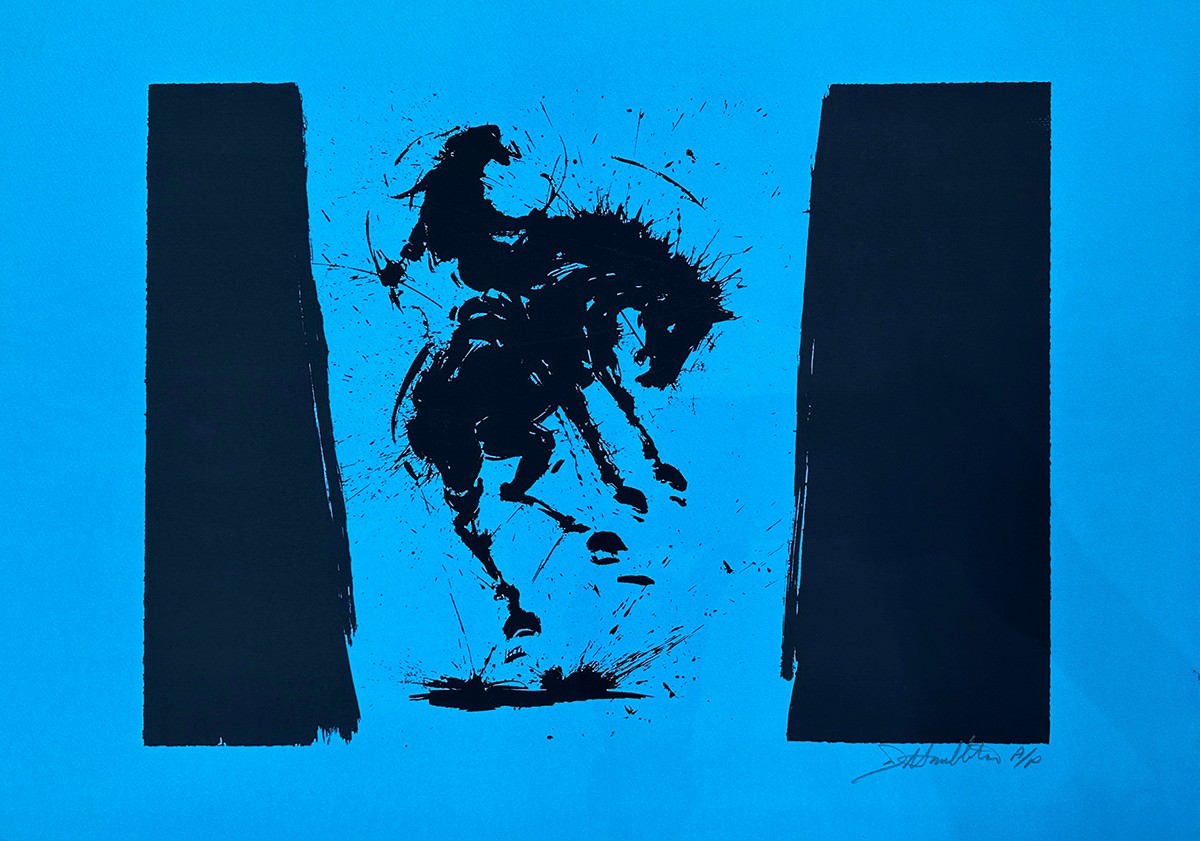
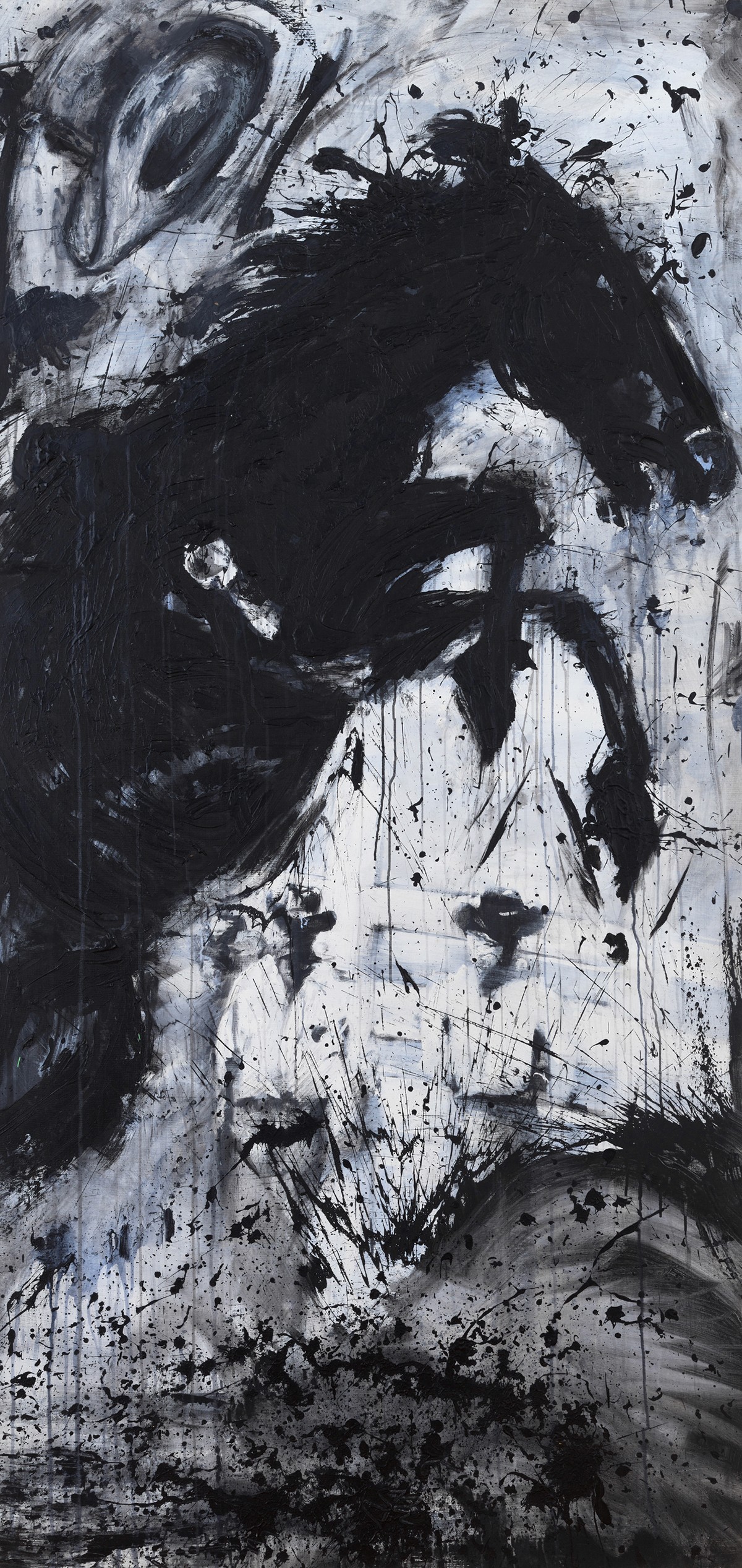
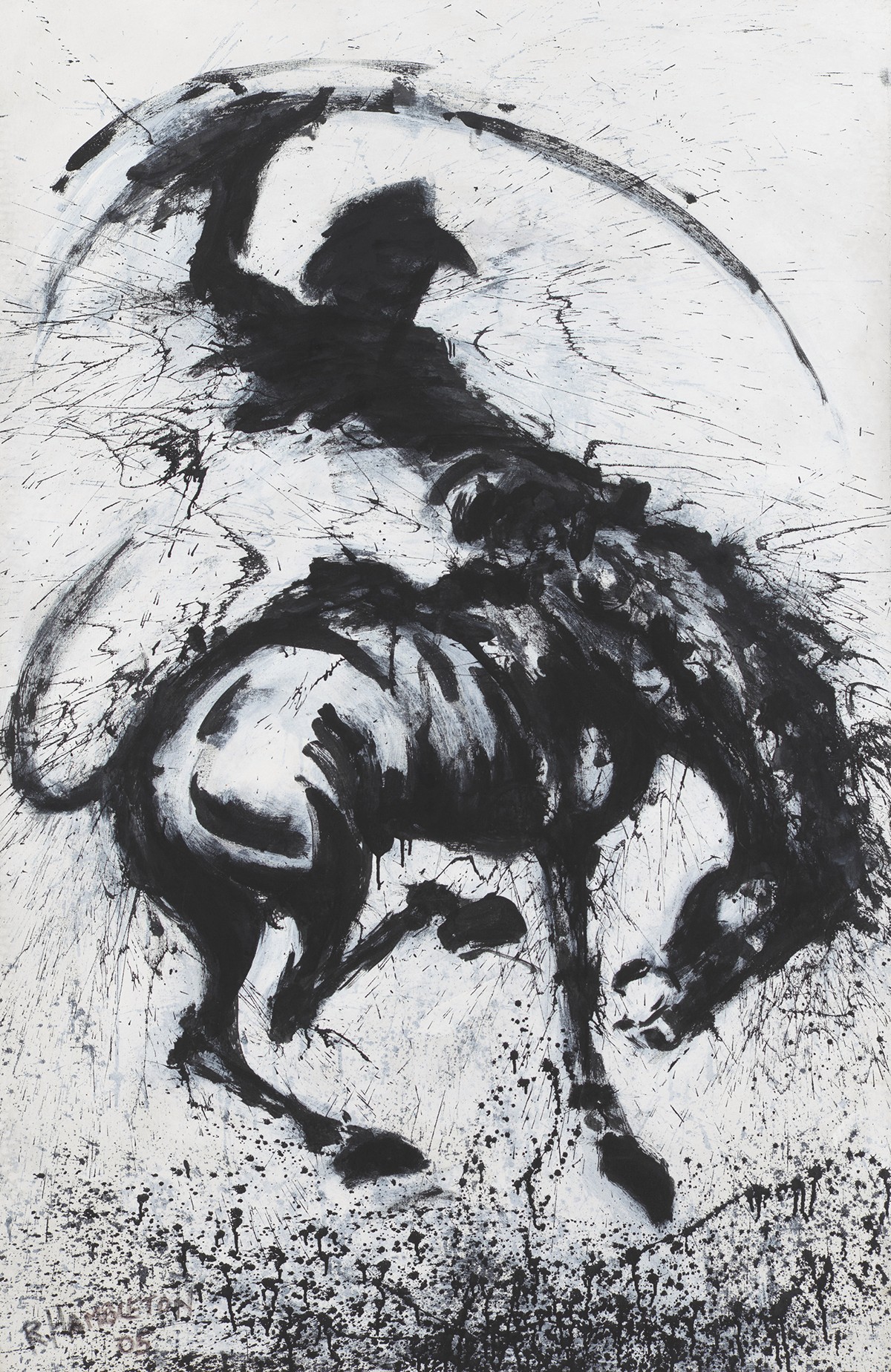
Hambleton’s Horse and Rider paintings first appeared in the early 1980s, when he was living in the gritty, violent Lower East Side. He was fascinated by Marlboro’s iconography and the symbol of America it exported to the world. He thought of it as a myth, as the brand was actually killing people.
Long considered one of the most under-recognized artists of 1980s New York, Hambleton returned to the spotlight between 2009–2011 with a traveling retrospective sponsored by Giorgio Armani. In 2017, the documentary "Shadowman" premiered at the Tribeca Film Festival, introducing his work to new audiences worldwide. Today, his paintings reside in major institutions including MoMA, the Brooklyn Museum, and the New Museum.
For now, Hambleton’s place in history is being pieced together by those who see both the force of his art and the fragility of his story. Slowly, his legacy is stepping back into the light—and his story is far from finished.
Artworks
Inquire
Gallery